

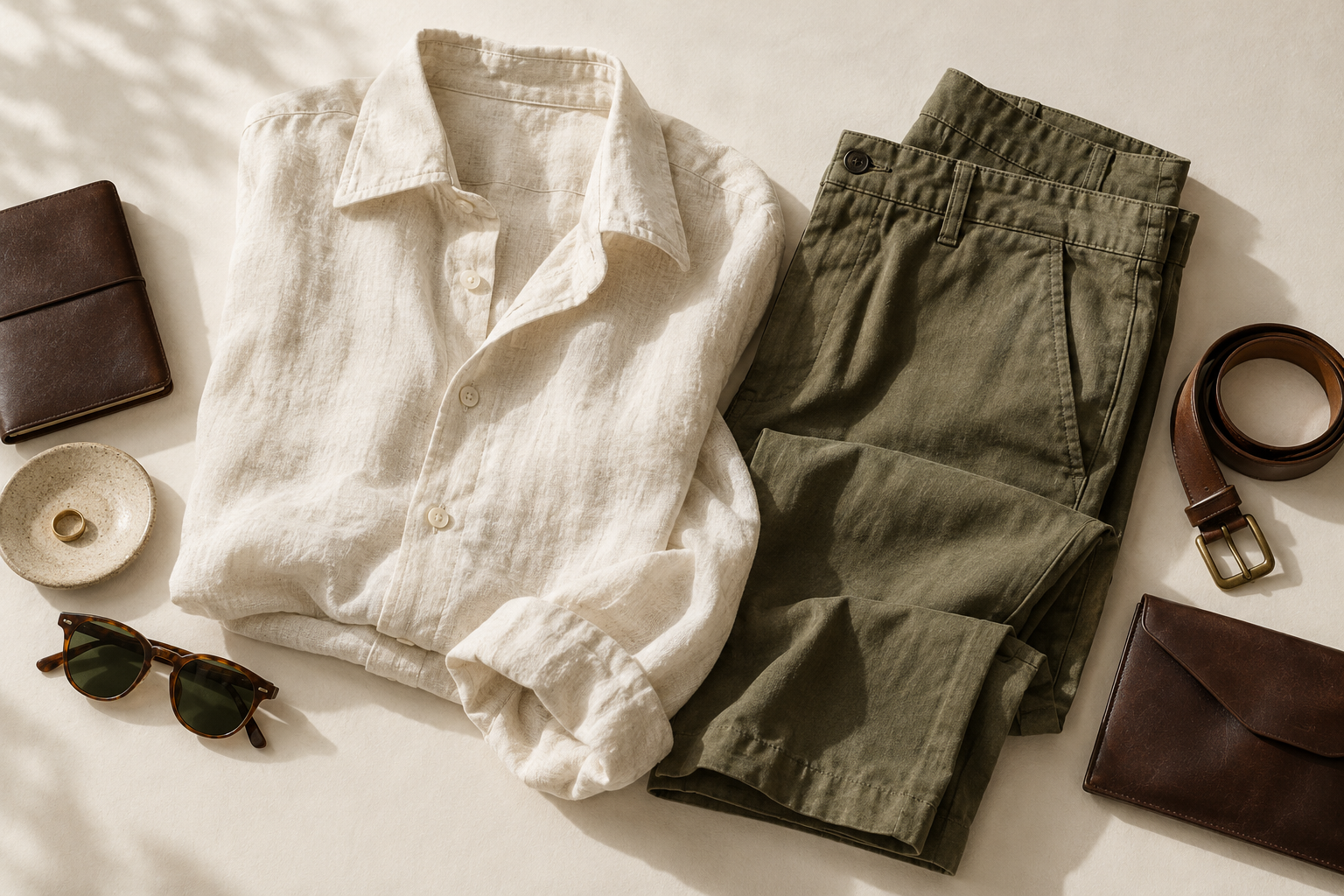
Choose five pieces from your wardrobe and use them to make three outfits for the week ahead in Dumaguete. Keep the colours muted and set prints aside for this exercise. The aim is to find combinations you feel comfortable wearing to lunch, an afternoon conversation or an evening out, without beginning with a shopping list.
Quiet luxury, as a dressing philosophy here, means giving your attention to fit, finish and how clothes feel to wear. A neat shoulder, a sleeve that sits comfortably and trousers that let you move deserve a closer look than a label. The useful question is whether the outfit serves the life you actually lead.
The Museum at FIT exhibition traces how simpler and more elaborate styles have repeatedly answered one another. Understatement is a choice within that history, not a universal measure of good taste.
Quiet luxury, as a dressing philosophy here, means giving your attention to fit, finish and how clothes feel to wear.
For me, the worthwhile part of quiet luxury is the habit of noticing: a clean line, a pleasing texture, a garment cared for well enough to wear again. Let that be the culture you build around your wardrobe. The luxury lies in feeling at ease in your clothes and giving your attention to the life you wear them into.
Begin with two plain tops, two bottoms and one optional light layer you already like. Try ivory with stone, or soft grey with muted olive; use the colours that suit you rather than buying these exact shades. Repeating a small palette gives you fewer colour relationships to coordinate when you swap one piece for another.
Leave printed pieces out of these first combinations so you can concentrate on proportion and texture. Notice where a shirt ends against the waistband, how a sleeve balances the trousers, and whether the fabric hangs as you would like. A print adds another visual element to consider; setting it aside makes this particular exercise simpler. It does not make your favourite patterned clothes less worthy of keeping.
Build the first outfit for an ordinary lunch in town: one plain top, a comfortable bottom and shoes suited to the walking you expect to do. Sit down, raise your arms and take a few steps before deciding it works. For another day, keep the bottom and change the top. For an evening with friends, try the other bottom and one accessory you enjoy, rather than adding several at once.
Let comfort decide which combinations stay. If a layer feels unnecessary for your day in Dumaguete, leave it at home. If a waistband pinches or a neckline needs constant adjustment, try another piece. Muted colours alone cannot make an uncomfortable outfit feel considered.
Before adding anything new, look at what needs attention: a loose button, a hem you keep folding, or a piece you like but never combine successfully. Follow the garment’s care instructions and consider whether a repair or alteration would make it useful again. Start with one item worth keeping, rather than treating a quieter wardrobe as a reason to replace everything.
Photograph the three combinations for your own reference. Wear them, notice what you reach for again, and adjust from there. A small wardrobe earns its place through the possibilities it gives your days.